On the Nature of the Onion

The Traveling Onion by Naomi Shihab Nye
 
“It is believed that the onion originally came from India. In Egypt it was an object of worship —why I haven’t been able to find out. From Egypt the onion entered Greece and on to Italy, thence into all of Europe.” — Better Living Cookbook
 
When I think how far the onion has traveled
just to enter my stew today, I could kneel and praise
all small forgotten miracles,
crackly paper peeling on the drainboard,
pearly layers in smooth agreement,
the way knife enters onion
and onion falls apart on the chopping block,
a history revealed.
 
And I would never scold the onion
for causing tears.
It is right that tears fall
for something small and forgotten.
How at meal, we sit to eat,
commenting on texture of meat or herbal aroma
but never on the translucence of onion,
now limp, now divided,
or its traditionally honorable career:
For the sake of others,
disappear.
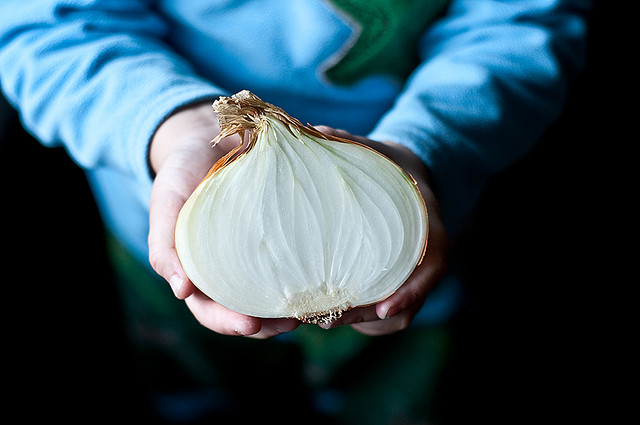
3697037417_b04ebeef9d_z

How do some people do it? Make you, a complete stranger, feel “seen”? Valued, like you are the most welcome person to enter their presence that day? I had that experience last Saturday, as I strolled through the 12th Annual Book Arts Festival at the Minnesota Center for Book Arts.

It was raining outside so, having just arrived, I was dripping wet. I stopped at a table covered in beautifully crafted paper sculptures and handmade books, most in shades of white. I was clearly reluctant to touch anything on that table, but the artist, Regula Russelle, encouraged me to do so anyway. She said, “I believe that book arts are tactile”, touching was practically required. We struck up a brief conversation when she mentioned that she is working on a collaborative show on the theme of “Hospitality” – which is, of course, one of the Mercy values I now carry in my heart.

Regula embodied that value, and it touched me more deeply than she realized, I’m sure. As I wrote last week, I feel bare lately. Every perception lands as if on sensitized skin, every emotion burrows beneath the surface at first breath.  As I lingered at Regula’s table admiring her work (but also just wanting to stay close to her warmth a little longer), I picked up a small hand- printed and -bound volume of poetry. It fell open almost eagerly to the poem above. The poem, the ambience, Regula’s hospitality, brought tears to my eyes.

As you know, the name of this blog is Jenion, the tag-line: Peeling Away The Layers. Last week, my friend Layne, in her inimitable style, asked me, “Are you still peeling away the layers, Jenion? I kinda think we got to the middle a while back.” Well. There’s a long answer to that question and a short answer – and I have been pondering them both since Thursday.

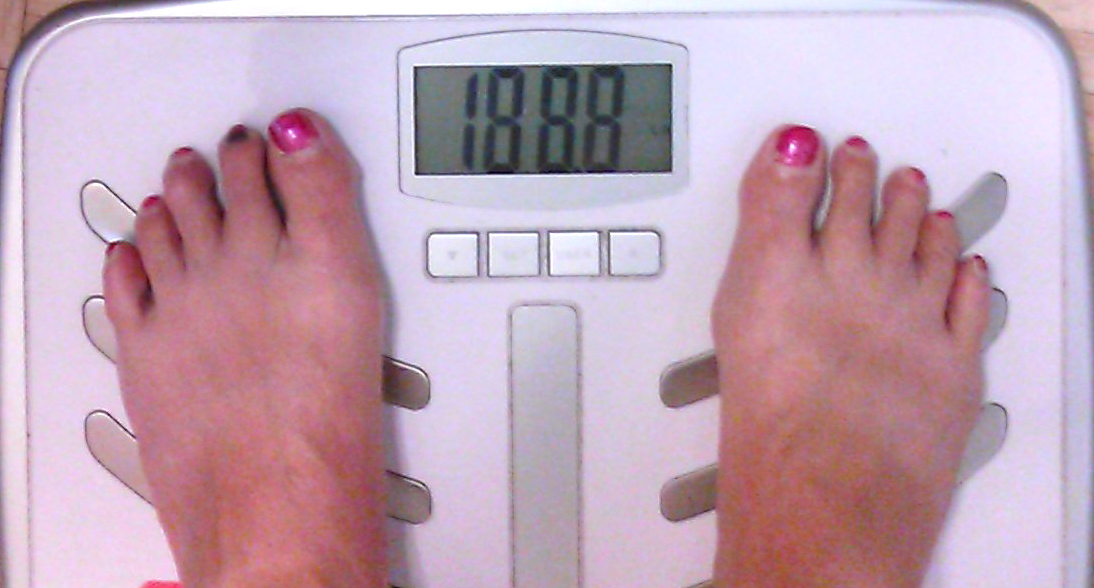
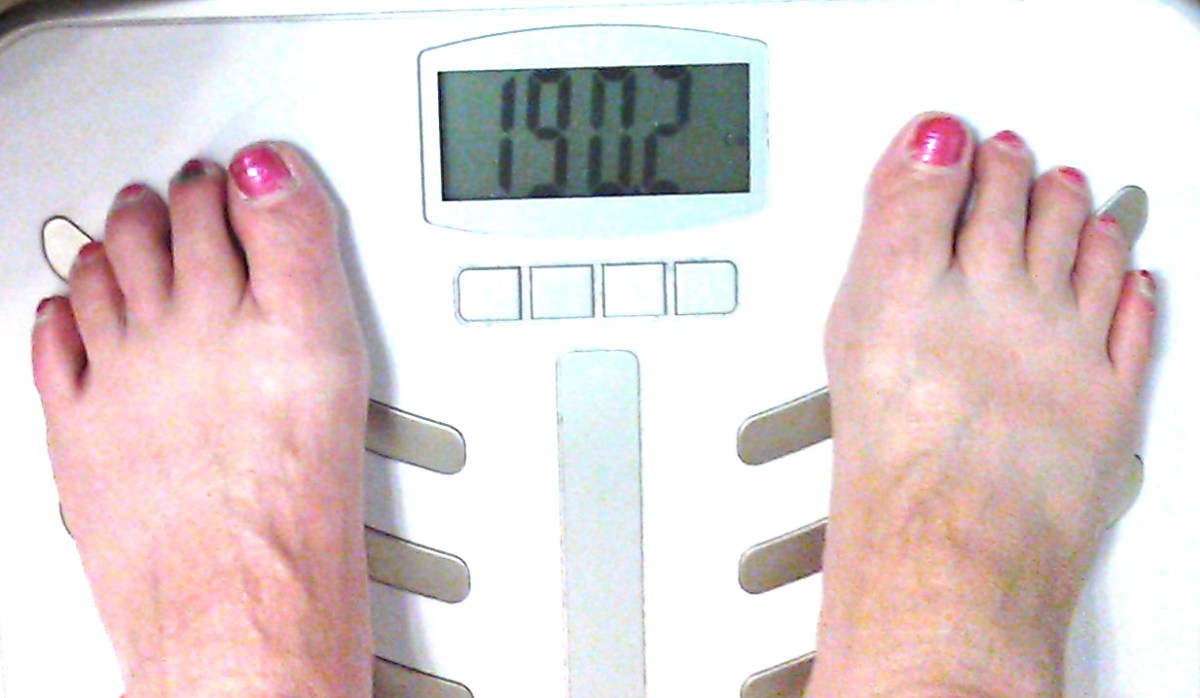
The short answer is “You’re right, we got there a while back”. The original purpose of Jenion was to peel away the layers of denial and shame, in fact, all the layers of muck associated with my disordered thinking and emotions about food and weight. And I believe we have worked through these things together, as so many of you supported my walk through that difficult and emotional labyrinth (some even joined me). I may never be completely content with the number on my scale, but I can, without reservation, claim to be in a sound emotional place regarding my relationship with food and a healthy life.

As for the long answer, I refer to the poem by Naomi Shahib Nye. I can relate to the poem on the surface level, as can anyone who cooks (especially health-conscious food). Onions are in nearly every dish I make – sautéed greens, omelets, casseroles, soups. I work very few recipes that don’t begin with “one medium onion” (chopped, finely diced, or sliced). As an ingredient, I have come to know the onion intimately. Its very omnipresence causes us to overlook its importance to our palates, to the fullness of flavor of much of the food on our table.

That is so often how we relate to the layers of our selves, as well. We see ourselves as ordinary, and we seem so obvious to ourselves that we sometimes forget to look below the surface. The tough papery layer of our skin remains intact even when peeling it off, when revealing parts closer to our hearts, would be in the best interest of self and/or others.

In the beginning, Jenion was the just a clever (at least I thought so) name for my blog. Over time, though, it has become my pseudonym, my alter-ego, and that part of me that remembers there are layers upon layers beneath the seemingly standard surface of my days and activities. And it is the part of me that honors the layered-ness in others as well. Am I still peeling the layers? It is in the nature of the onion.

Considering Layne’s question has brought about intense focus on the image of the onion. Almost tangentially it has occurred to me that an onion (in addition to being a metaphor for soul-searching) may also be a perfect symbol of hospitality. It offers itself to us, layer by layer. It flavors our meals, it accepts our tears, it nourishes us – and asks nothing in return. The poet says, “For the sake of others, disappear.” Hospitality may not require disappearance, exactly, but it does require that one place the “flavors” (needs, presence) of others in the central, starring role. What a gift that is to give another soul – and what a joy to receive.
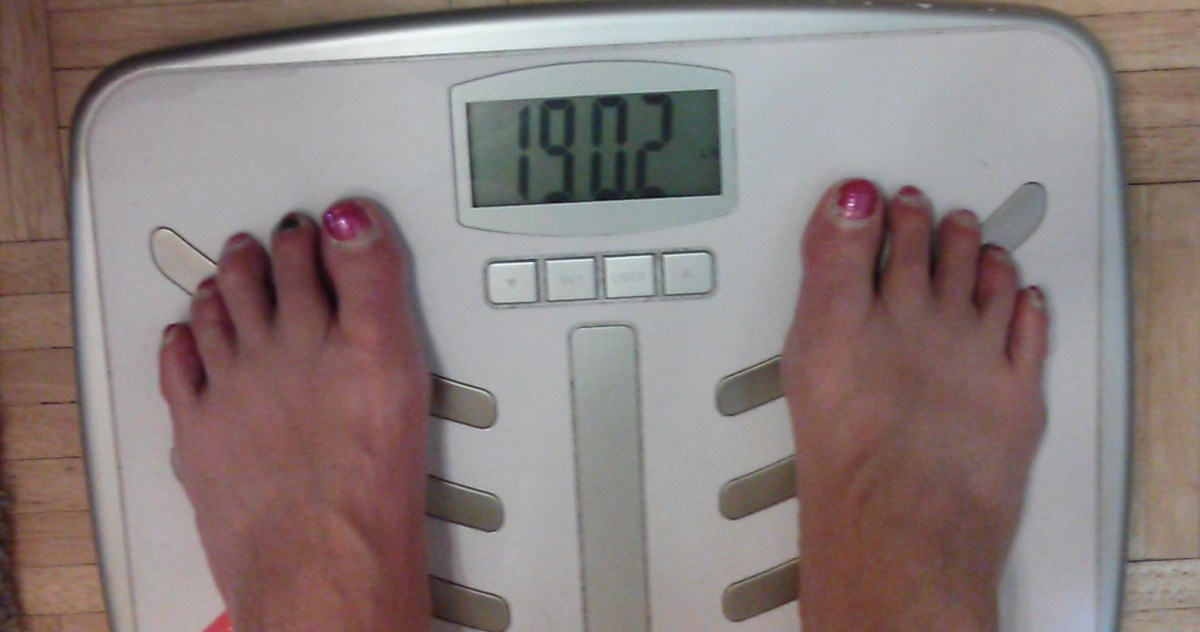
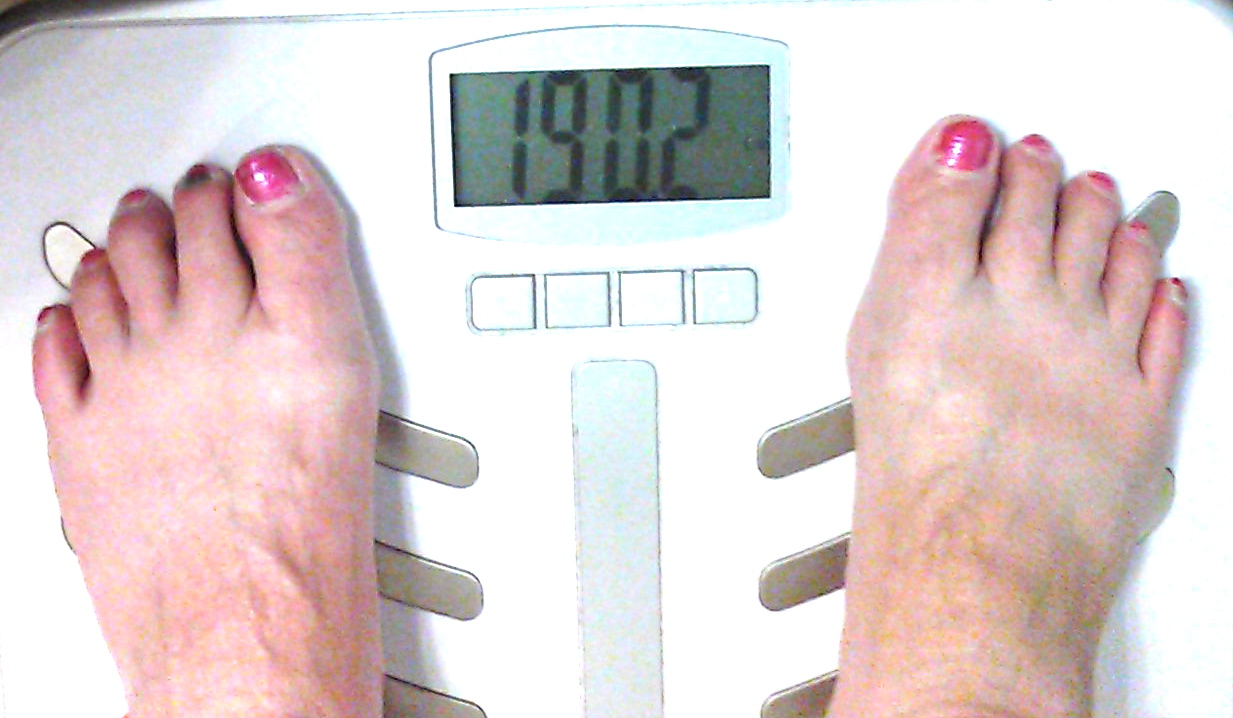
Bare

Until last night, it had been weeks since we’d taken a night ride around the lakes. But last night’s relatively mild temperatures were too enticing to ignore. So, when my evening meeting ended, Mike met me at Common Roots and we took off. The moon was large and bright white, illuminating our way as we rode down the Bryant Avenue bike boulevard to Lake Harriet.

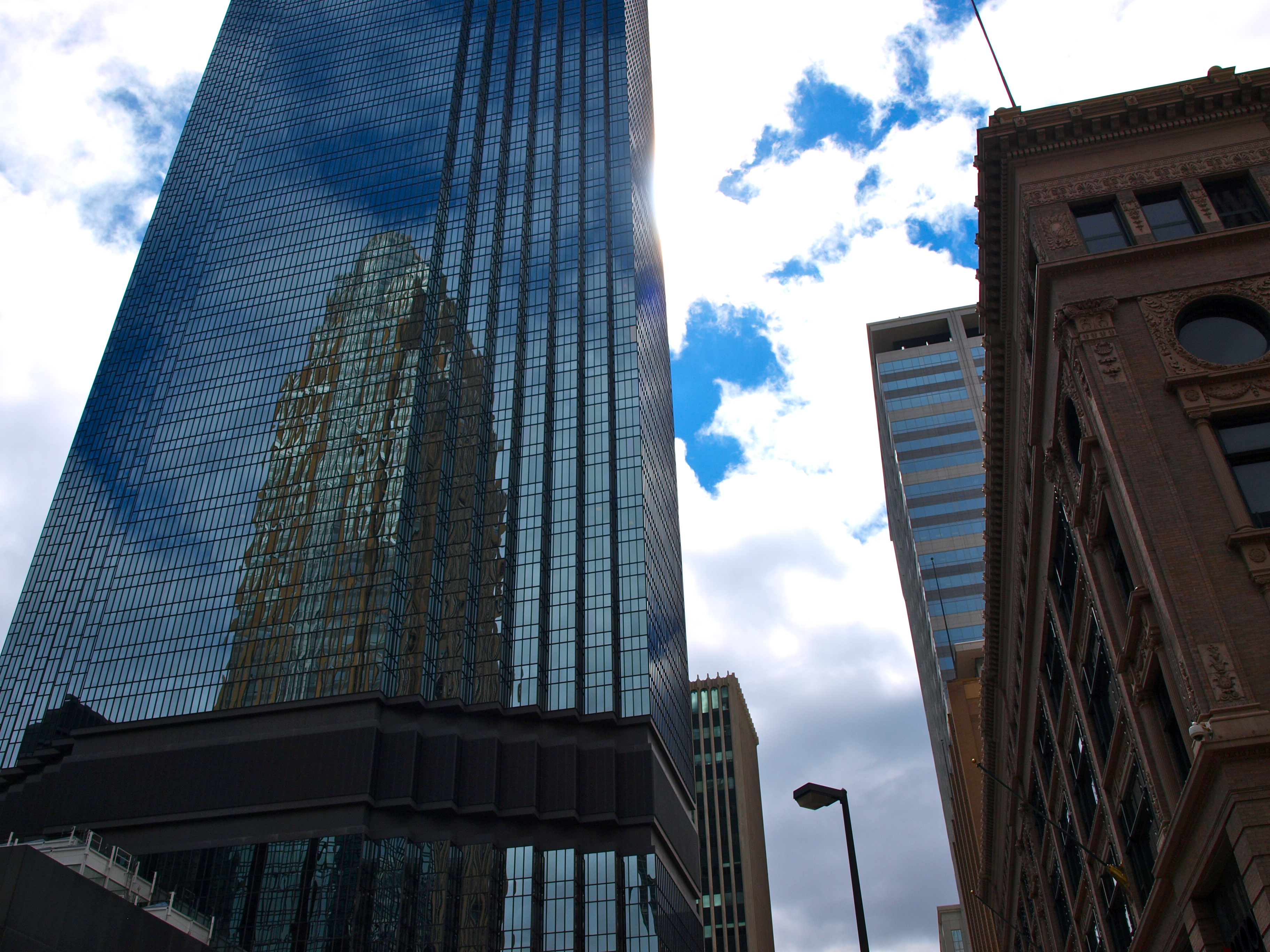
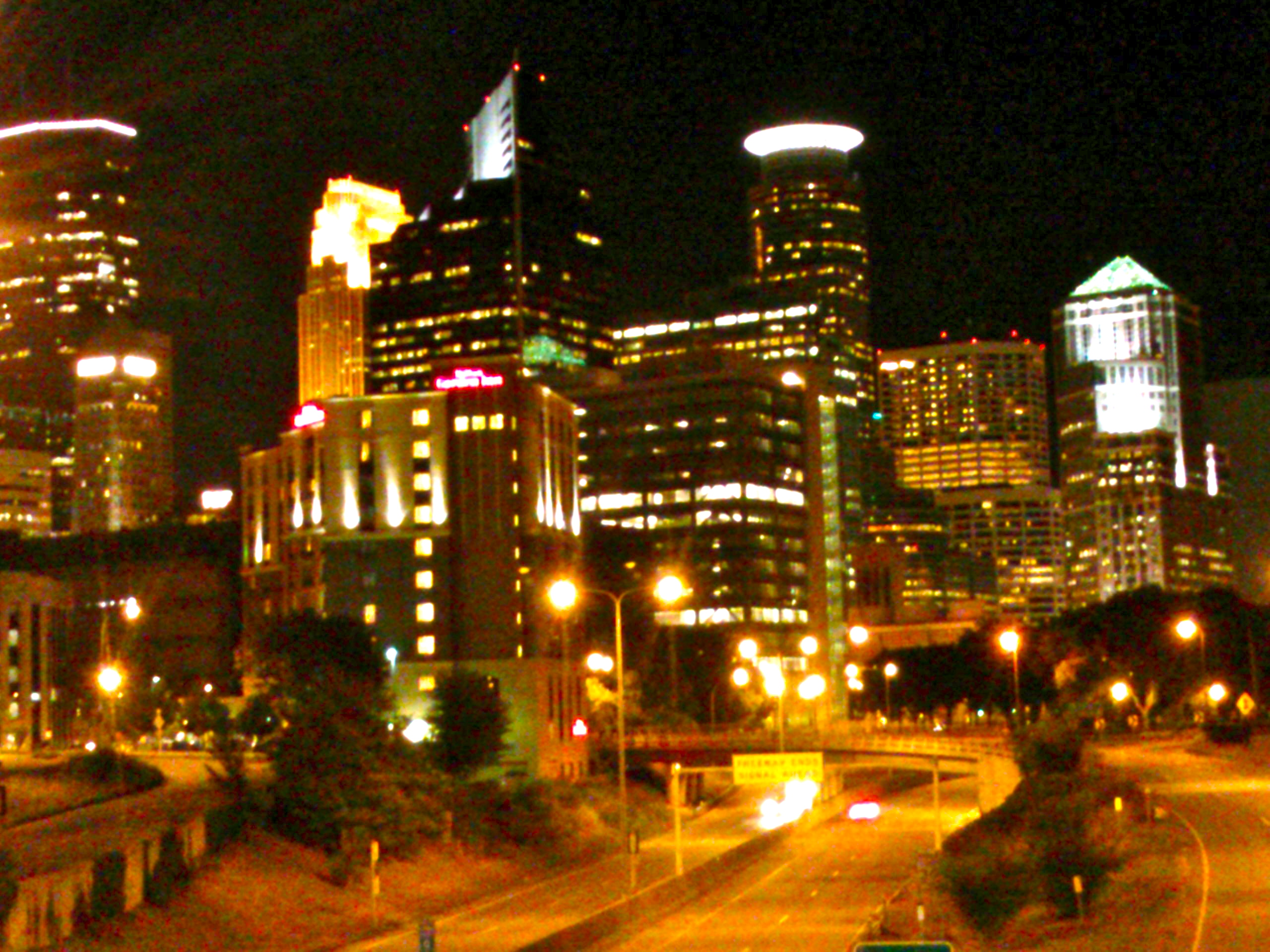
In the summer months, the tree-lined path around the lake is incredibly dark at night, offering a sometimes harrowing riding experience for those riders (like us) whose headlights are sub-par. In the time that had elapsed since our last ride around Harriet, the trees had lost their leaves, rendering a wholly different riding experience. Without foliage to block it, the path was lit by a combination of moonlight and streetlights. We could not only see the path at all times, we could see the lake, the neighborhood surrounding it, each other. Everything looked and felt different. We followed the trail around Lake Harriet, then over to Lake Calhoun, where we were stunned to see the Minneapolis skyline virtually the entire time. We couldn’t stop commenting on both how beautiful and how clearly visible is was.

One doesn’t live in the upper midwest without developing at least a passing appreciation of the changing seasons. Like my neighbors and friends, I’ve watched for the usual signs – the first orange and yellow hues among the green, the first snowfall, the first crocus in spring. Before this year, though, I have never spent such concentrated time outdoors nor have I striven so earnestly to develop a sense of place as I have here. So the changes in view, landscape, light wrought by the mostly bare trees stuns and excites me.

Curiously, at the same time, they leave me, like the city itself, more exposed.

Its a strange paradox: to pay (as one does this time of year) such close attention to layering, to bundling up for warmth, while concurrently feeling more bare to the elements: of life, if not of weather. I go around covered up and protected, yet feel completely permeable. There don’t seem to be boundaries or protections for my emotional body these days.

Here’s an example. I stopped for coffee the other day and, walking past a restaurant to return to my car, I happened to catch some fluttering out of the corner of my eye. I looked, and seated in the window of the trendy eatery, waving frantically to get my attention, was a former colleague from Cedar Rapids. She waved me in, where she introduced me to her dining companions, alumnae (one a former board member) from the college where I worked. These lovely women asked about my life, and we spoke of the difficulty of life transitions. Their warmth and compassion was palpable, and I found myself sharing my deepest fears with them – something I would never, typically, do with strangers.

I walk around the city, and every beautiful fall of light or tragic sight of poverty moves me. The older man busking on Nicollet Mall, with his clarinet and saxophone, brings tears to my eyes. A stranger I follow on tumblr posts “Will someone come over and watch this movie with me?” and I almost respond.

What do people around the city see if they happen to look at me? I don’t know, but I feel like the skyline, rawly visible without the shield of my usual foliage.

In their book, Becoming a Life Change Artist, Mandell and Jordan discuss the idea of “mindful floating”. They describe it as one way of embracing the uncertainty that comes with significant change. They say,

“Mindful floating is a form of surrender to the inescapability of uncertainty…When engaged in mindful floating, we suspend self-judgment. We allow ourselves not to be tough on ourselves. We don’t force a premature resolution to our situation; rather, we allow ourselves to follow the current, emotionally and intellectually…When we are floating mindfully, we do not so much ask questions as tune in to the undercurrents, the ups and downs of the ocean swelling and receding, undulating. We pick up subtle changes such as the water temperature. We look skyward and notice the direction of the sun or moon and stars. We realize we can use the ocean’s undercurrents to husband our energy and nature’s reference points to identify possible directions. We are moving in tune with nature, not against it…

“Mindful floating, though, does not mean being passive. Rather, it means we assume a different perspective from which to view the various parts of our lives…a tool that enables the creative skill of seeing. We begin to understand that the elements of our new life are all out there. We simply need to find a new way to make sense of them before we rearrange them.”

When I float, I try to become one with the water. The feeling of being bare to the world around me is similar to, if more emotionally volatile than, the calmness I associate with floating. But this new bare-ness feels somehow right, like an internal change of seasons. I’ve been a tough onion to peel, holding on to my fears and my emotional isolationist tendencies even in the midst of attempting to create something completely new of my life. I’m learning that there are always new layers to be shed, and am hopeful that this latest shedding will bring me one step closer to seeing a way to arrange the pieces.

Before the Snow

“Fall colors are funny. They’re so bright and intense and beautiful. It’s like nature is trying to fill you up with color, to saturate you so you can stockpile it before winter turns everything muted and dreary.”
— Siobhan Vivian, “Same Difference”

Image 3

Before the snow, I headed out to walk along Minnehaha Creek. The weather reports had been unequivocal: “Winter (i.e. snow) is coming!” And even though I knew when I chose to come here that winter would be bigger living in the north, the reports surprisingly filled me with dread.

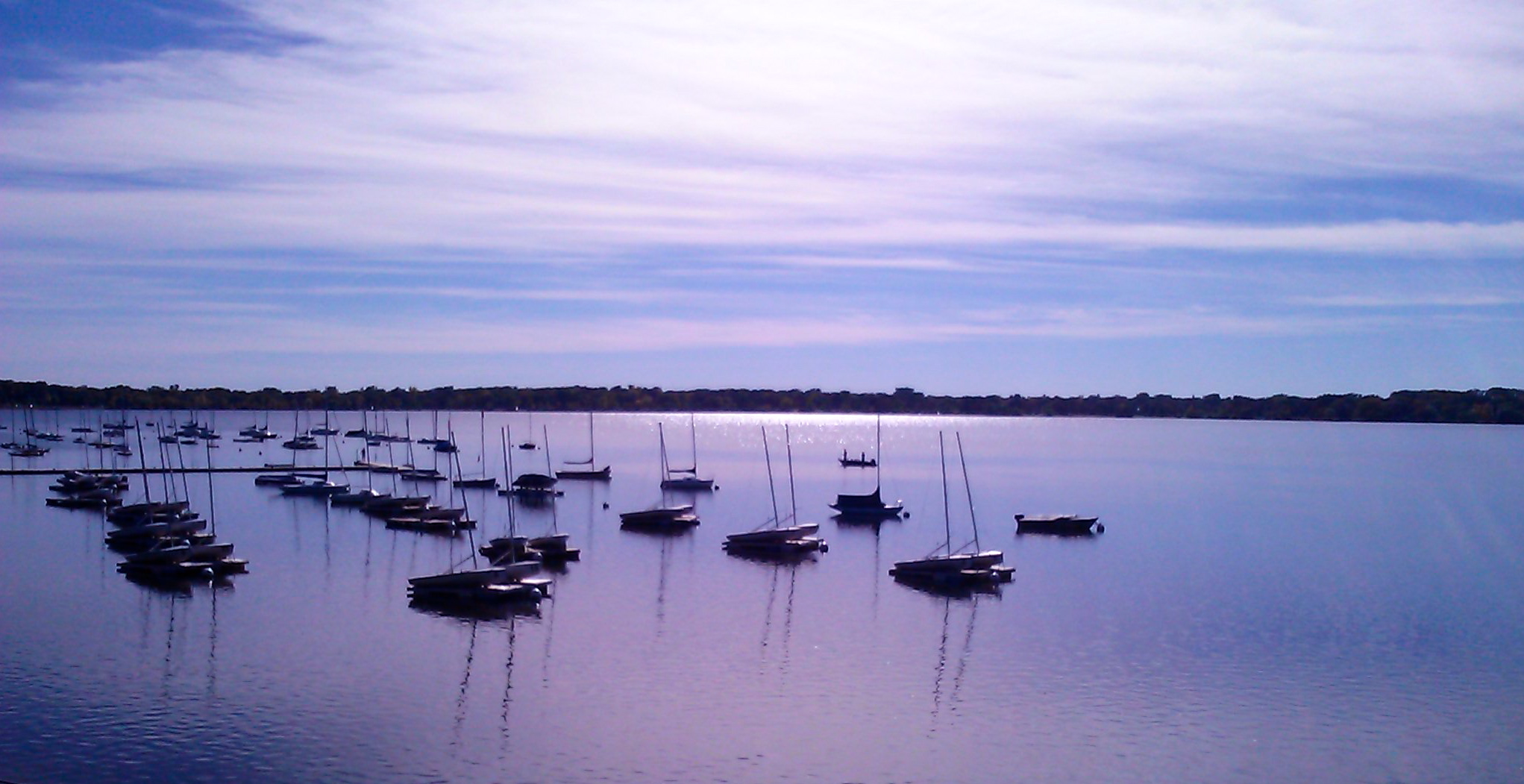
Lately, when I ‘ve needed air and movement, I have gravitated toward neighborhoods and city blocks where urban life fills me with its bustle and energy. New views of the skyline, new shops to gaze into, new places to order a large Americano and observe my fellow city dwellers. Or I have looped the lakes – spectacular in their poetic beauty, sailboats bobbing on waters silver or blue, glass-smooth or frothy, depending on the mercurial light and wind.

Somehow, I knew I needed a quieter landscape this time.

I had ridden the bike trail along Minnehaha twice, both times with Mike. First, in the high heat of August, on the home stretch of a fifty-mile circuit of the city. Then, its lush green shadows felt like an oasis. The second time, we rode on a cool night in mid-fall, with only our cheap (and not very illuminating) headlights to guide us. That time, the depth of its shadows filled me with terror and the short moonlit spans with wonder.  As I thought where I could go, the adjacent walking path which meanders alongside the bike trail, mostly between it and the creek, came to mind. Trees and shadows and hidden spots would do nicely.

Image 4

For most of my adult life, I had very little appreciation of nature – similar to the way I sometimes felt about humanity, I appreciated it in the abstract: individual people, and the actual outdoors, were not always my cup of tea. Now I find that being outdoors is the best way to clear and focus my mind, or, when necessary, to alter my mood. In this pause before the snow, I knew my thinking was jumbled and my emotions were all over the place. I just didn’t have clarity as to why. The moment I set my feet on the path, I felt I had come to the right place.

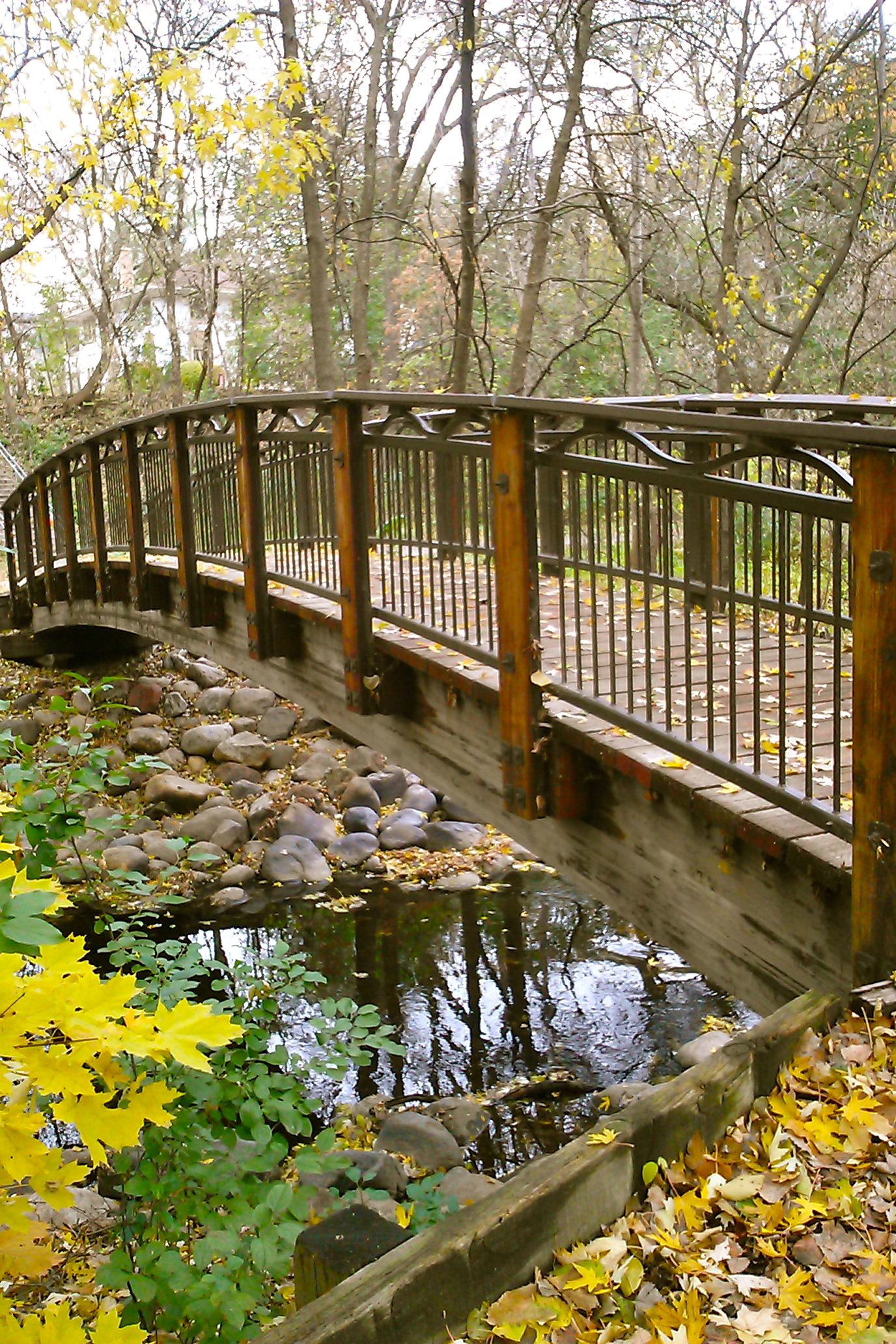
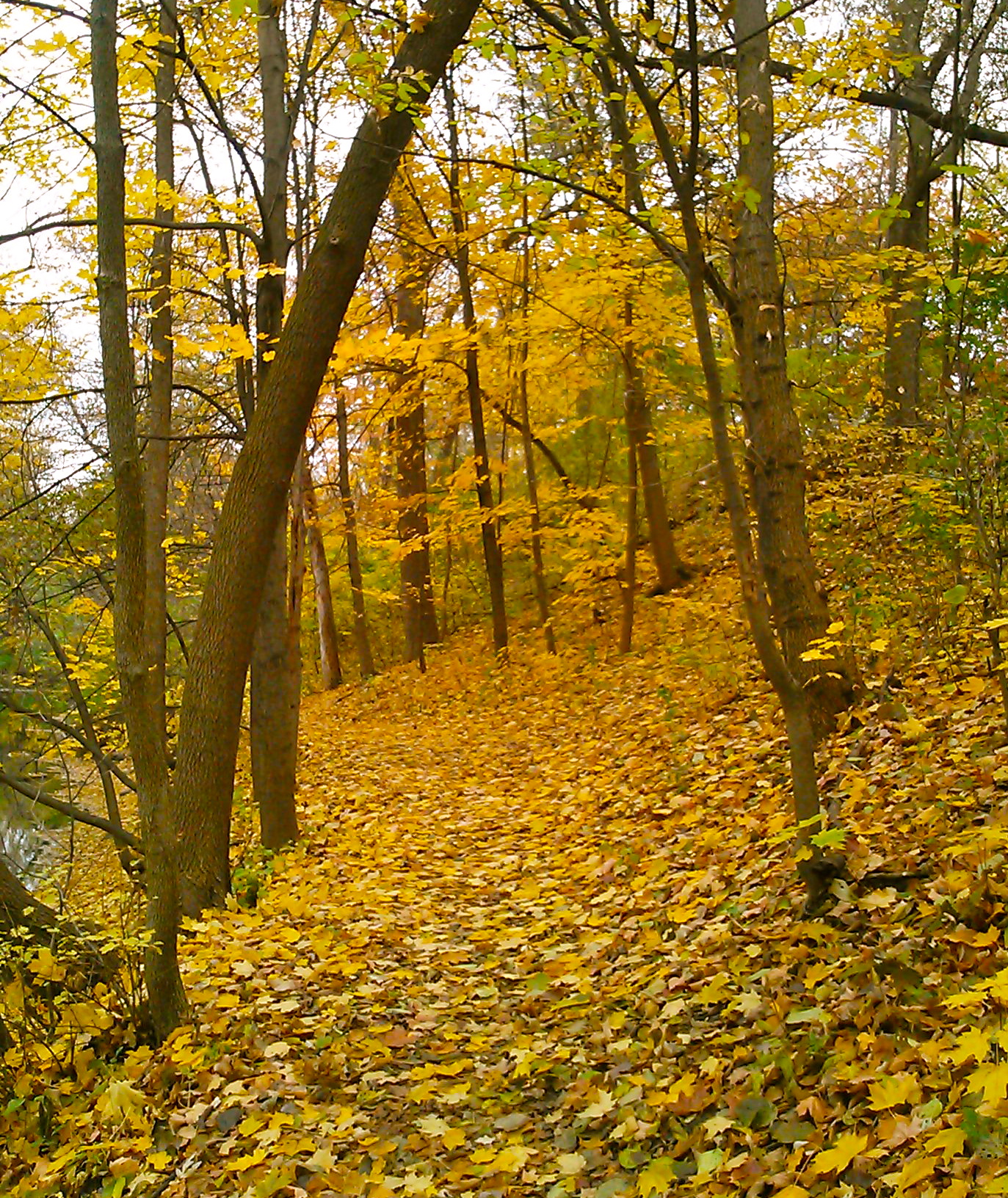
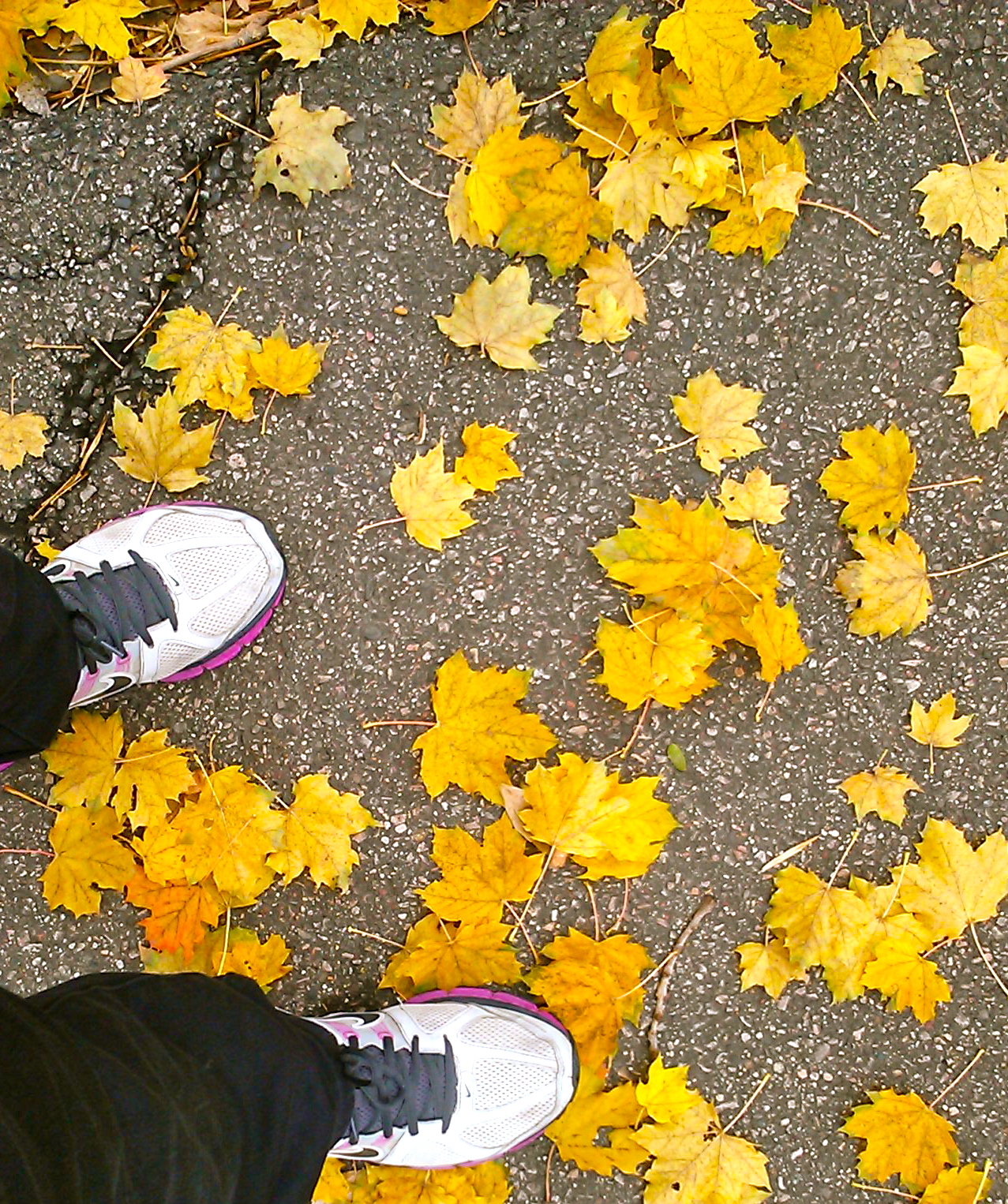
The afternoon was damp and gray, but the woods were glowing. I’ve always loved the special quality of yellow and gold in autumn woods and fields. On sunless days, these plants radiate light almost as if in the long days of summer they had stored the sun’s actual rays and now – just as we are beginning to keenly feel the sun’s loss to winter – they give it back to us. I walked along the paved path, pausing as I crossed the bridges to watch the creek flow over rocks and into still pools. Though I followed the markers for the walking trail, I came to end of the pavement.

As I stood, indecisively wondering if I should turn around or take the unpaved path that beckoned me forward, a woman and large shaggy dog walked up, nodded, and continued past me onto the unpaved trail. I stopped to take a picture with my phone, then took off after them, thinking I would catch up, but they had disappeared. The woods were beautiful, silent and still – and I was definitely alone.

Suddenly, I found this a little frightening. I was unfamiliar with the area, I didn’t know where the path was going, and I was in the woods alone. And in that moment I realized that the internal disquiet I had come here to parse out was just a new manifestation of familiar life issues: uncertainty and expectations. When I moved here, I thought I came without preconceived ideas of how things would go. I thought I was ready to live with and through the uncertainty of creating something new for my life. I stopped walking and stood quietly as the synapses in my brain fired. What I realized, listening to the soft sounds of the creek and the woods was this: I had un-articulated expectations, with an associated time frame, that weren’t being met.

Before the snow, I had expected to be employed. Perhaps not perfectly so, but enough so that the fear of utter failure and destitution would have been alleviated.

Before the snow, I had expected to be equipped to face the winter – appropriate attire, new snow tires, the ability to winterize my bike so I could keep riding. Without the employment expectation being met, the likelihood of meeting this expectation was diminished.

Before the snow, I had expected my new life to be enriched by new friends and the opportunity to take advantage of some of the non-free things this city has to offer (classes at the Center for the Book or The Literary Loft, for example).

But most importantly, I had apparently expected that, before the snow, I would have traversed the path through uncertainty and come out on the other side with a clarity of purpose and a more firm sense of my life here. Instead, I was lost – both figuratively and literally. Despite my best efforts. And the snow was upon me.

Image 5

Once I realized what had led to my disquiet, I found I could think more calmly about my physical location in the woods. I took several deep breaths and looked around. Bright yellow leaves were dropping like confetti from the branches of trees. They covered everything: the ground, fallen branches and boulders in a spectacular, mottled carpet.

Uncertainty and unexpected detours from the path sometimes take us to magical places almost in spite of ourselves. If I hadn’t felt panic at the impending storm, I wouldn’t have experienced exactly this configuration of light and color. Also, I may not have gained clarity of thinking to know why I was troubled. Most importantly, I might not have been able to put my fear in its proper perspective: uncertainty sucks but I’m moving through it, not standing still. And if I let go of expectations and remember to take one step forward at a time, I will find a path. It may not be easy, it may not lead anywhere I ever thought I’d go. But it will be MY path. And isn’t that what all this was about in the first place?

Postscript:

Mike and I had planned to meet for a late dinner that night at our favorite restaurant (we had a Living Social coupon that was about to expire). We sat at the bar, catching up on our days and sipping wine. I was warm, surrounded by candlelight and interesting people, anticipating a delicious meal. My seat was turned slightly toward Mike, which afforded me a view of the front wall – all windows – and the fat snow flakes falling outside. It was absolutely gorgeous, this first snowfall in my new home. And I felt not a smidge of panic.

More Than A Flimsy Web

I know what they're going for with this name. But it made me laugh and reminded me to be less self-centered!
I know what they’re going for with this name. But it made me laugh and reminded me to be less self-centered!

Many people are familiar with the Myers-Briggs personality typology. (If you are not, here’s an easy introduction to the concept.) My personality type, which has remained fairly consistent over 20+ years of periodic assessments is INFP – which stands for introverted, intuitive, feeling, and perceiving. INFPs often feel a bit odd, resulting in part from the fact that only roughly 1-4% of the adult population assesses as this type. My type has been described as “passionately concerned with personal growth and development”; we may present a “calm and serene face to the world, and can seem shy, even distant around others. But inside they’re anything but serene…”. And this: “The INFP needs to work on balancing their high ideals with the requirements of every day living. Without resolving this conflict, they will never be happy with themselves, and they may become confused and paralyzed about what to do with their lives.” (read one full description of the INFP here.)

Do I really need to ask those of you who know me whether any of this is ringing a bell? I have heard many variations on the comment “Is there ever a time when you aren’t thinking?”, most recently when my friend Molly said, “I just don’t think deeply about these things like you do. I’m more practical, and go right to how to fix it.” (I’m paraphrasing Molly, apologies if I didn’t get the tone right – she was complimenting me!)

INFPs are idealists, and among the four types of idealists, they are categorized as “healers”. The problem with being in relentless pursuit of personal growth and development is that the INFP’s gaze – I mean MY gaze – is so often turned inward that we forget it is our mission to help others heal. I forget that I am my best self when I am turning an empathetic and loving gaze outward, rather than the more frequent self-critical (and inward-directed) navel-gaze.

This discussion of my “type” is all prologue to the heart of what I want to share today.

Two weeks ago I made what was intended to be a low-key trip back to Iowa to visit friends. I didn’t call everyone I know and make a bunch of advance plans for get-togethers. Instead, once in town I contacted people one at a time, setting up coffee or breakfast dates. These past months of major transition in my life have included so many great group activities, contrasted with long periods of aloneness, that I was craving deep conversation and one-on-one reconnections with dear friends.

As often as I have, in recent years, received exactly the thing I most needed, one would think I’d have learned to trust this life process. But I haven’t. It invariably surprises me each time. Throughout the weekend, my friends offered me the gift I most needed – the gift of their own questions, pain, struggles. The gift of saying (figuratively, not literally), “But enough about you, I’m ready to talk about me.” When friends trust us to take in their difficult emotions and return a commensurate depth of regard, to take their trust and return love in its place, it is an immeasurable grace. Denise Levertov expresses this so beautifully in her poem, “Gift”:

Just when you seem to yourself
nothing but a flimsy web
of questions, you are given
the questions of others to hold
in the emptiness of your hands,
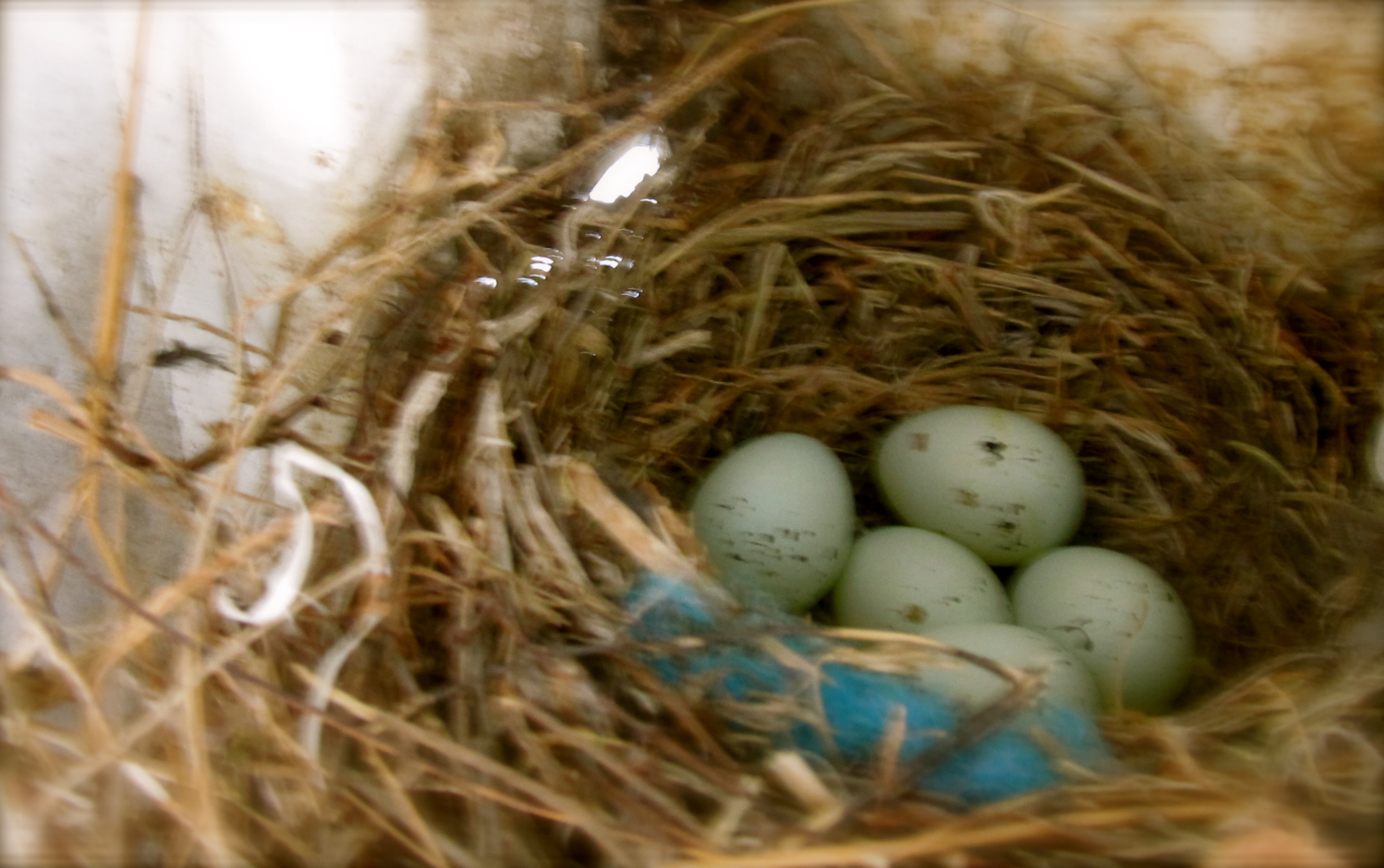
songbird eggs that can still hatch
if you keep them warm,
butterflies opening and closing themselves
in your cupped palms, trusting you not to injure
their scintillant fur, their dust.
You are given the questions of others
as if they were answers
to all you ask. Yes, perhaps
this gift is your answer.

–Denise Levertov

If there is a gift and a lesson in the beauty of my friends choosing to trust me with their questions, part of the lesson is this: that my deep questions and broken places are also a gift to share. Not my angst-y whining about “what am I going to do?”, but the truth that lies beneath that – the hurts and cracks that I rarely choose to share (it’s so much more convenient to pretend that the surface concerns are the real issues, isn’t it?).

Saturday, I did my best to offer that gift to another friend. I found it so incredibly hard – I put my sunglasses on in a dark coffee shop so I didn’t have to make eye-contact, for crying out loud.   I did a horrible job of expressing what I was feeling, but my friend did a good job of listening. And he directly stated the action I need to practice: “You have to open up and make yourself vulnerable if you expect me to know what you’re feeling.” True words for all of us at those times when we feel lost or misunderstood.

I want to thank the people in my life who offer me the gift of their neediness, their hurts and their questions. I understand how difficult it is to see that as a gift you give rather than as a burden you drop on an “unsuspecting friend.” But I know it is a gift because of how much it means to receive it. This alone should be enough to remind us to pass the same gift on to others, though it often isn’t. Allowing ourselves to be vulnerable is not just a way of opening to our own growth and insight. It is also a way of helping those we love stretch their capacity for empathy and compassion, to take on the role of healer and give up (for a time) the incessant self-absorption endemic to our days.

IMG_0002
Handle with compassion

A Mouse, and the Conundrum of Forgiveness

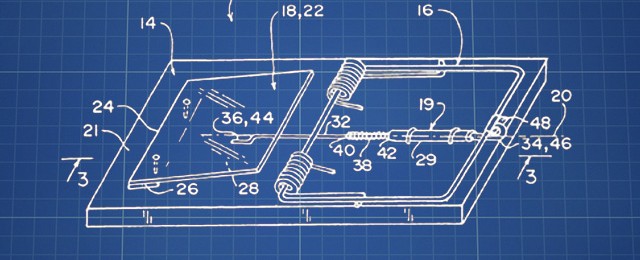
I don’t hate the mouse that is running around my apartment. In fact, I’ve only seen it once, and it appeared to be as frightened of me as I was of it. It’s fall, and little critters (like the rest of us) are just looking for a way to survive the bitter winter. This particular bold rodent happened upon a way into my cozy space and decided to take up residence. Who could blame it – I have a nifty and warm place. I’ve forgiven the little thing for moving in, but let’s face it, a mouse is simply not wanted. Does forgiveness require that I live with the mouse? I don’t think so. Therefore, I’m going to set a trap for it, without rancor (but with some squeamishness).

Better-Mousetrap-640x260

Which gives me pause to think about forgiveness in other circumstances. If someone has harmed me or hurt me, and the harm or hurt is real (not simply a matter of pettiness), how far do I have to take this forgiveness thing? Can I forgive without forgetting? Is it forgiveness if I can’t return to former feelings of liking or respect for the individual? Have I forgiven someone if I remain unwilling to allow them close enough to hurt me again? Have I forgiven them if the experience continues to color my judgement of their words or behaviors? Can I forgive a person but still not welcome them back into my life?

These are important questions. The kind of questions for which easy answers are rarely forthcoming. But I had to give it a shot, right? I googled “quotes about forgiveness” and found the sort of wisdom you might expect:

“Always forgive your enemies, nothing annoys them so much.” – Oscar Wilde
“Forgiveness is the fragrance the violet sheds on the heel that has crushed it.” –Mark Twain
“The weak can never forgive. Forgiveness is the attribute of the strong.” – Mahatma Gandhi

These statements aren’t much good for those of us seeking some practical insight or advice about forgiving and moving on. Then I came upon this:

“Forgiveness means it finally becomes unimportant that you hit back.” ― Anne Lamott

Perfect! A measurement I can really use. I don’t need to hit back. Does that mean I’m finished? Unfortunately, I’ve never been the type of person who hits back. I’m more the “stand-with-mouth-haning-open-and-mind-suddenly-blank” type. So lacking the urge to hit back may not be the best measure of whether I’ve forgiven someone. But it’s a good start.

“Forgiveness must be immediate, whether or not a person asks for it. Trust must be rebuilt over time. Trust requires a track record.” ― Rick Warren

Forgiveness does not require that I immediately trust the individual again. Trust requires a track record, and IF I continue to be in direct relationship with this individual that record needs to be established. In fairness, this idea of a track record also means that if the hurtful/harmful behavior is an anomaly in a relationship of demonstrated trust, then trust might be called for sooner rather than later. Clearly, one sign that we’ve actually forgiven someone is that we’re able to regard them with fairness.

You may already have guessed that these questions, and my search for answers, are not purely academic in nature. I’ve always believed myself to be good with the forgiveness thing – but in the past, forgiveness hasn’t posed much of a problem because I was dealing with family and dearly loved friends. These individuals forgive me, and I forgive them, easily and often. The experience of forgiveness directed toward someone who was not emotionally as close but whose ability to hurt me was still high is a new one for me. I believe that forgiveness is key for my own growth and ability to move forward in life – which is why I am spending time living with these questions. And even though there is a specific application in this case, it never hurts to revisit our beliefs about such important life questions as the nature of forgiveness.

In the meantime, I have some business to resolve with a little mouse.

How Do I Love Thee, Minneapolis?

Love, when it comes, is often a surprise. It takes us by storm, fills our hearts and our thoughts to overflowing with the object of our affections. Requited or unrequited makes little difference with regard to the degree of our obsession with The Beloved. All we know is that we love.

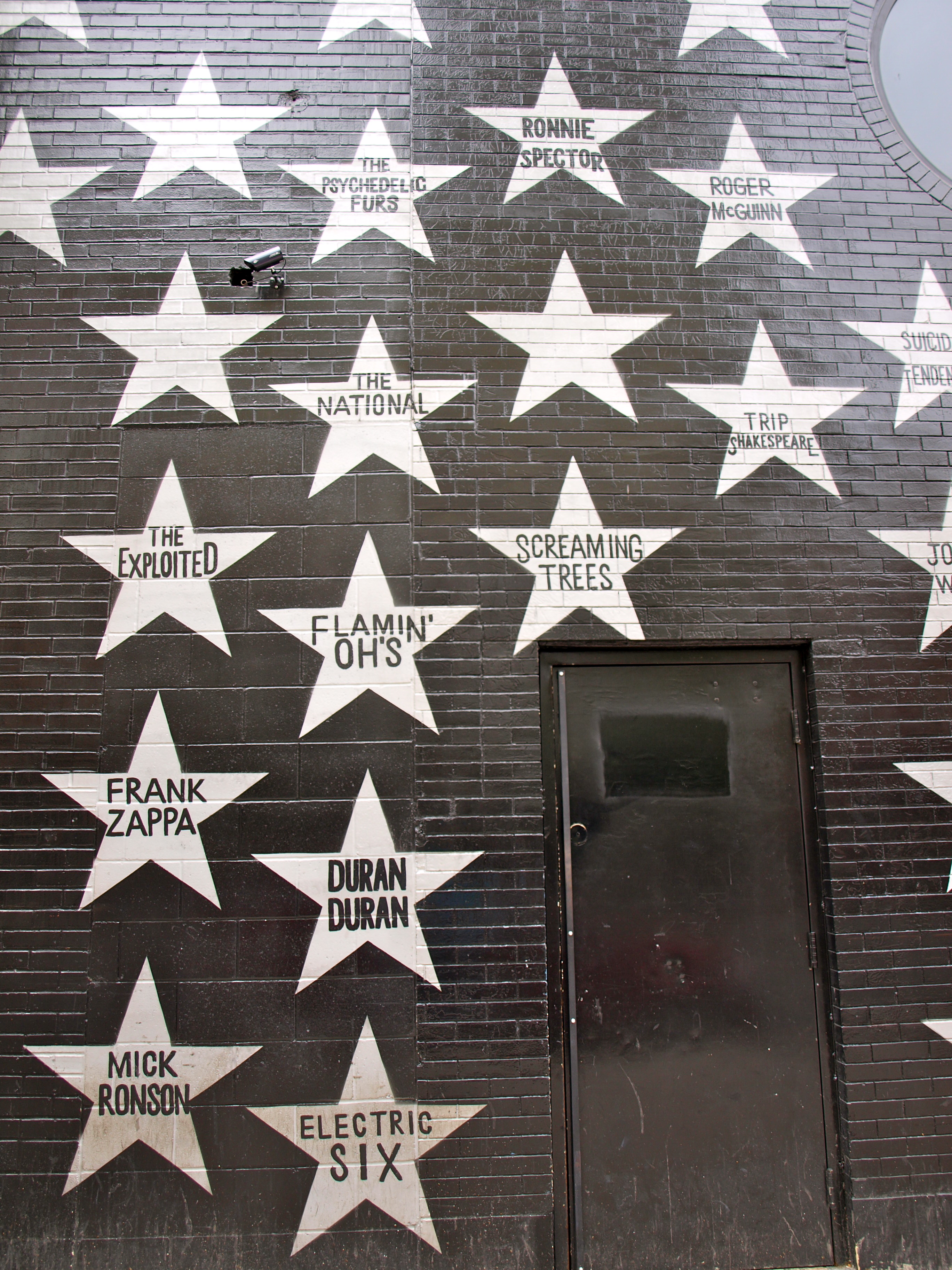
Despite all that, I didn’t know this could happen to me. I mean, sure, I liked Philadelphia a lot. I was extremely infatuated with Dublin, and wouldn’t mind seeing her again. But I had never realized just how profound and deep a love could develop so quickly for a city until I moved here.

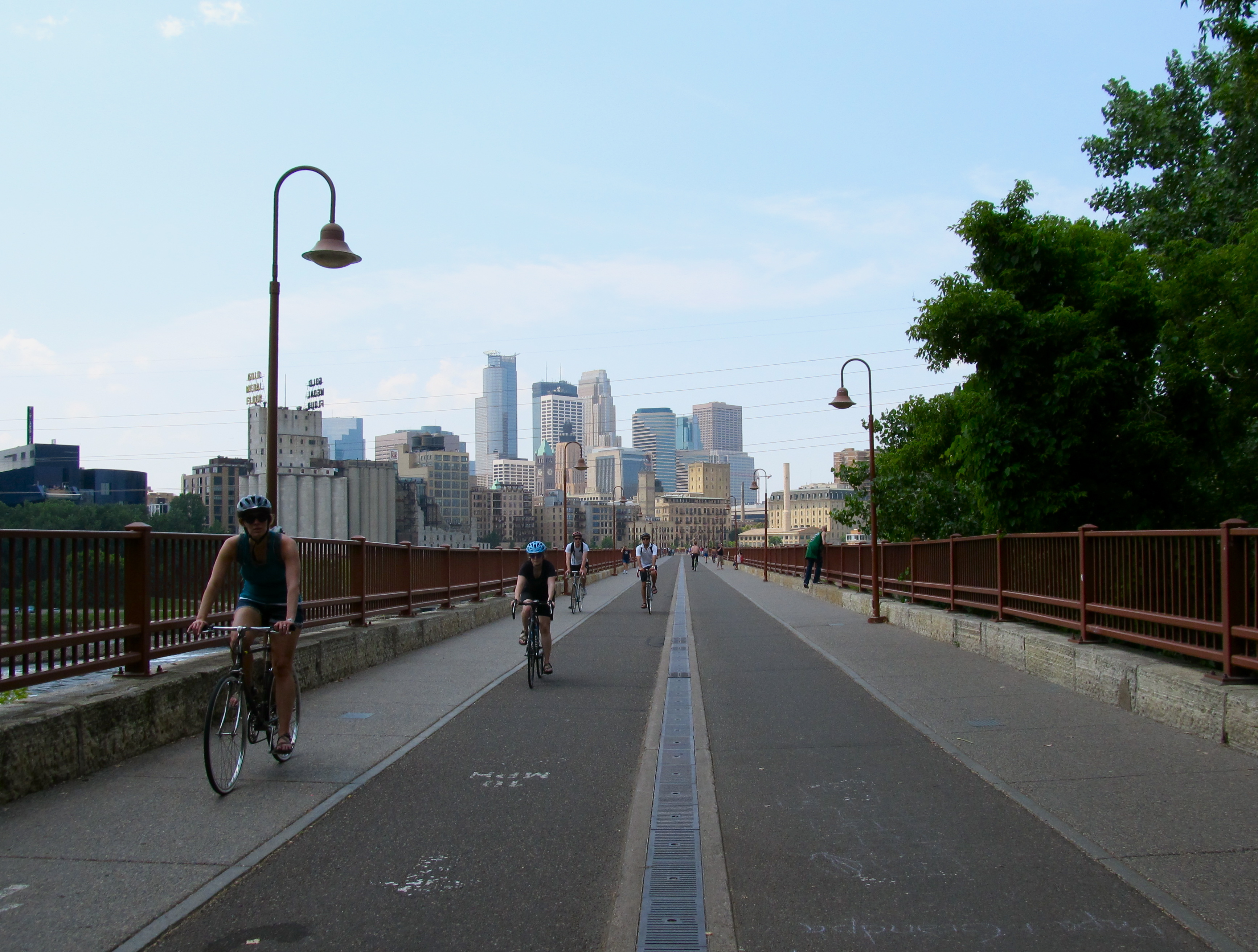
I’ve pondered how this happened. I mean, I was attracted – obviously – or I wouldn’t have moved here. Perhaps it has been the time and space I’ve enjoyed to explore. Perhaps it has been the joy of discovery by bicycle and on foot – remove the automobile from the equation and you can have a direct and visceral experience of the city, an experience that fills all of your senses to overflowing. Perhaps I was longing for something to fill a void and Minneapolis happened to be here. All I know is that I am in the midst of a passionate affair that has the potential to deepen into a lifelong, abiding love.

Let me, with all due respect to Elizabeth Barrett Browning (who may object from the grave that I am applying her famous lines, written for her husband, to something as seemingly impersonal as a city), count the ways:


How do I love thee, Minneapolis? Let me count the ways:
 
 OLYMPUS DIGITAL CAMERA
 
I love thee to the depth and breadth and height
My soul can reach, when feeling out of sight
For the ends of being and ideal grace.
 
 
 OLYMPUS DIGITAL CAMERA


I love thee to the level of every day’s
Most quiet need, by sun and candle-light.
 
 Image 6
 
 
I love thee freely, as men strive for right.
 
 IMG_3114
 
 
I love thee purely, as they turn from praise.
 
 
 IMG_3159
 
I love thee with the passion put to use
In my old griefs, and with my childhood’s faith.
 
 
 OLYMPUS DIGITAL CAMERA
 
 I love thee with a love I seemed to lose
With my lost saints.
 
 OLYMPUS DIGITAL CAMERA
 
I love thee with the breath,
Smiles, tears, of all my life; and, if God choose,
I shall but love thee better after death. 
                
Image 2